Text
Bassolo — review in Ruch Muzyczny
Krzysztof Kwiatkowski’s Ruch Muzyczny review of the double album Bassolo — XX/XXI Centuries’ Contrabass Music, released by DUX.
Published in Ruch Muzyczny no. 15 on 24 July 2011, Krzysztof Kwiatkowski’s review discusses the double album Bassolo — XX/XXI Centuries’ Contrabass Music, released by DUX.
Verified transcription prepared from the press scan.
Ruch Muzyczny, no. 15/2011 — review scan
“…even the most brutal and ‘ugly’ sounds give physical pleasure.”
“…his playing reveals an excellent sense of their acoustic nature.”
“…the musician enters into it with full conviction, without any distance.”
“In any case, Gabryś is one of those performers whom one can listen to for their own sake.”
Bassolo — review in Ruch Muzyczny
English translation
BASSOLO
Gabryś, Szalonek, Bogusławski, Cage, Grisey, Lauck, Dziadek, Roth, Scelsi, Oehring, Pritchard, Knüsel, Lee, Iršaj, Xenakis
Aleksander Gabryś — double bass, Silesian Philharmonic Symphony Orchestra, cond. Czesław Grabowski, Camerata Impuls, cond. Małgorzata Kaniowska, Consuelo Giulianelli — harp, Jürg Henneberger, Daniel Buess — piano
Dux 0800/0801 (2010, 2 CDs)
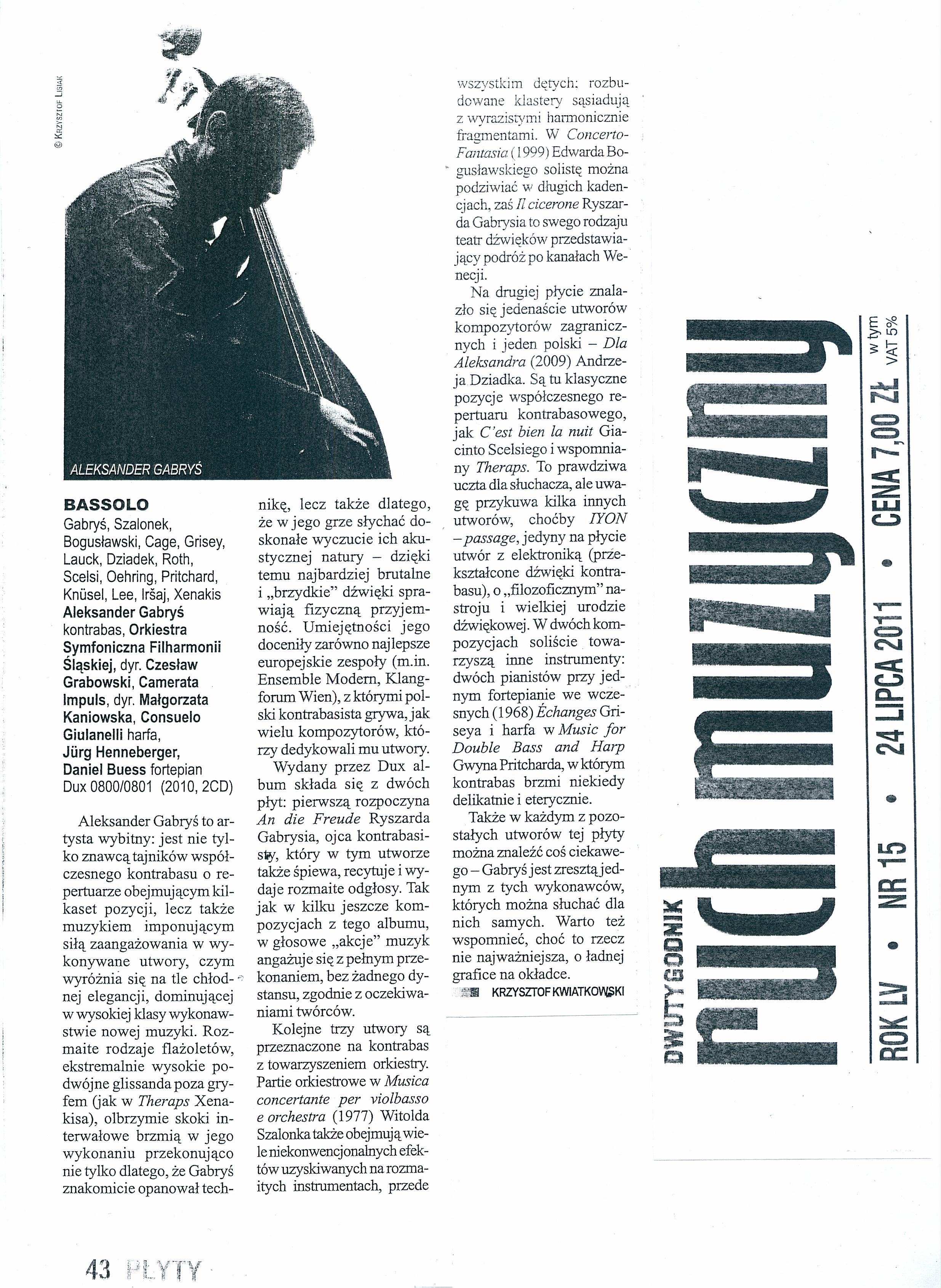
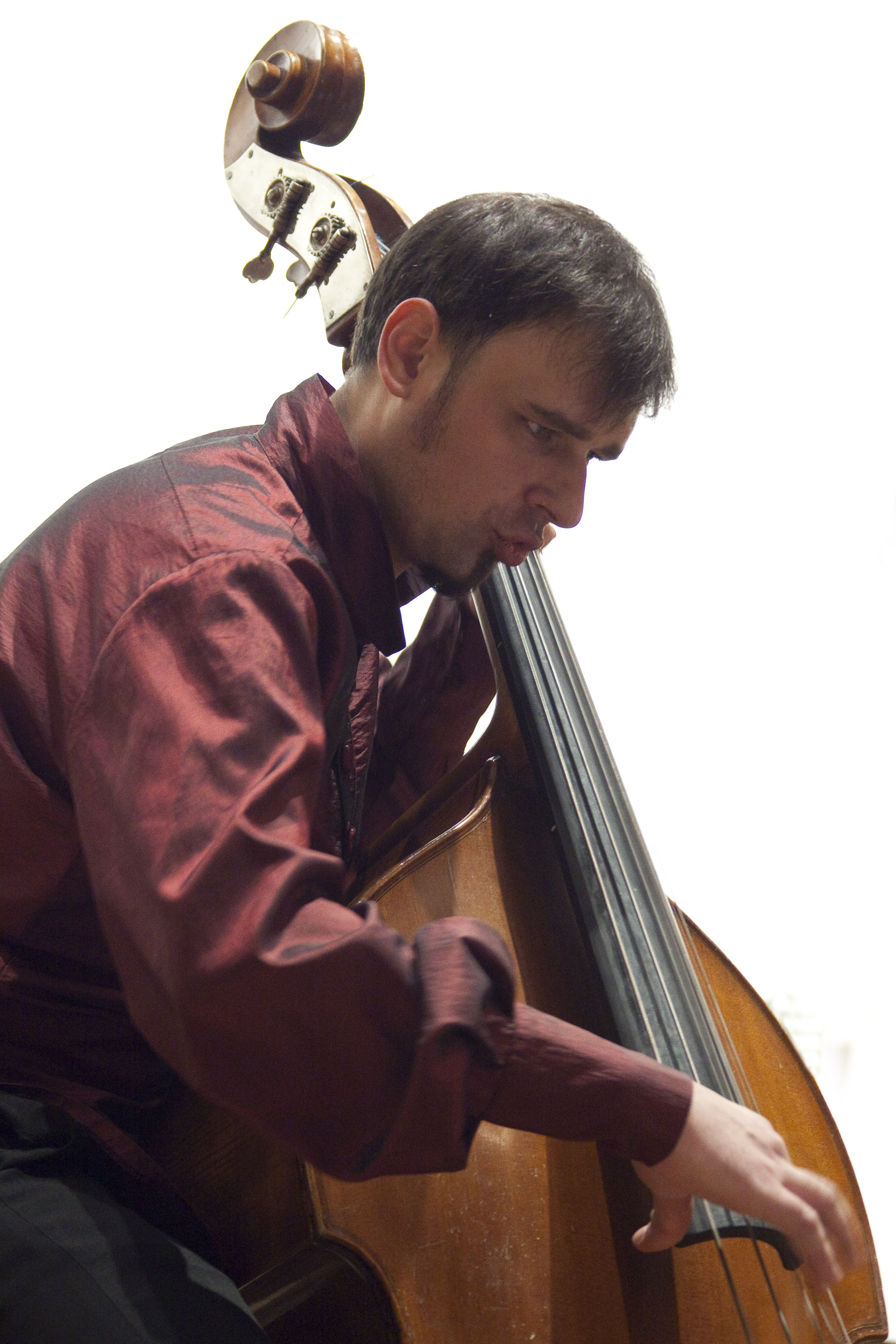
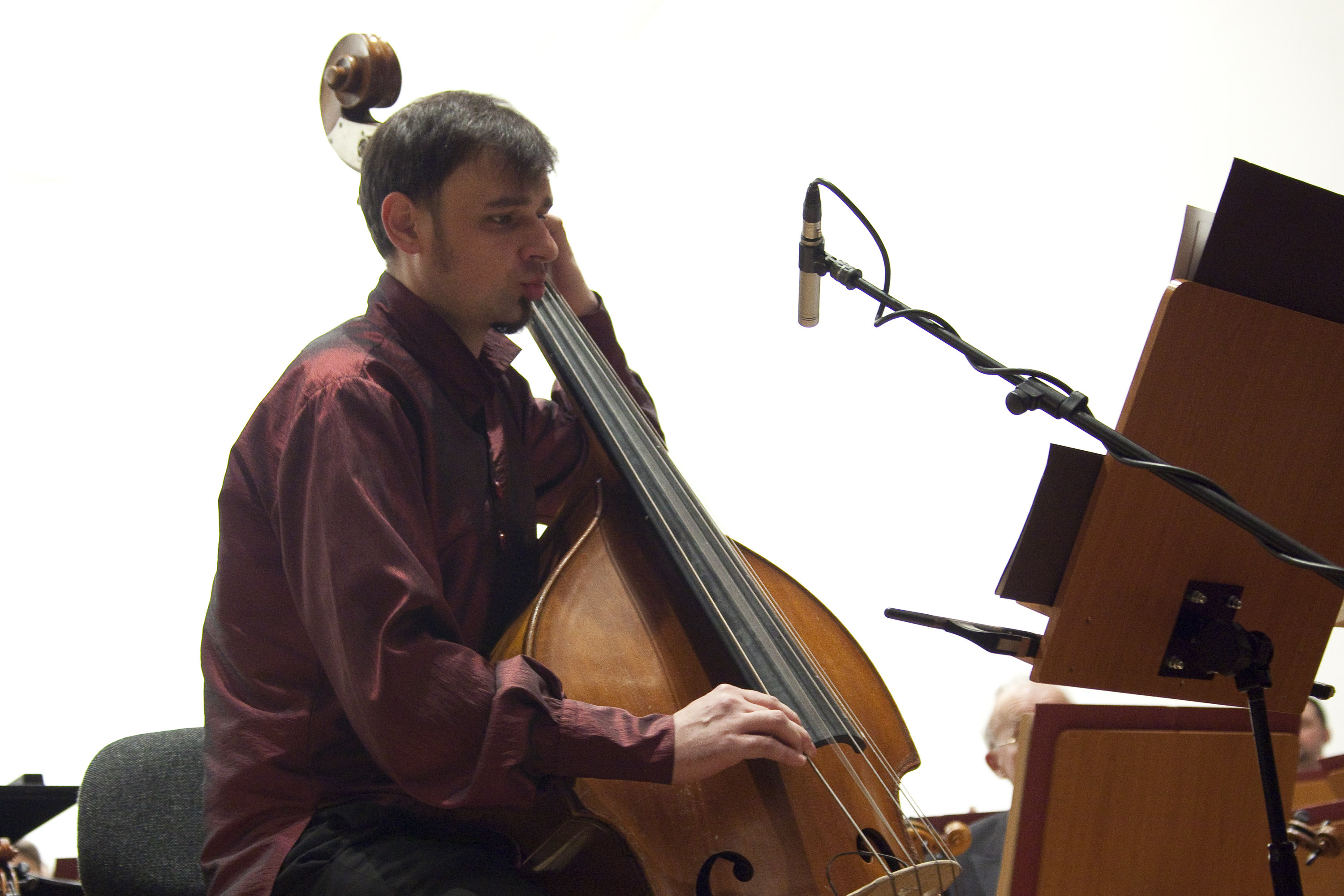
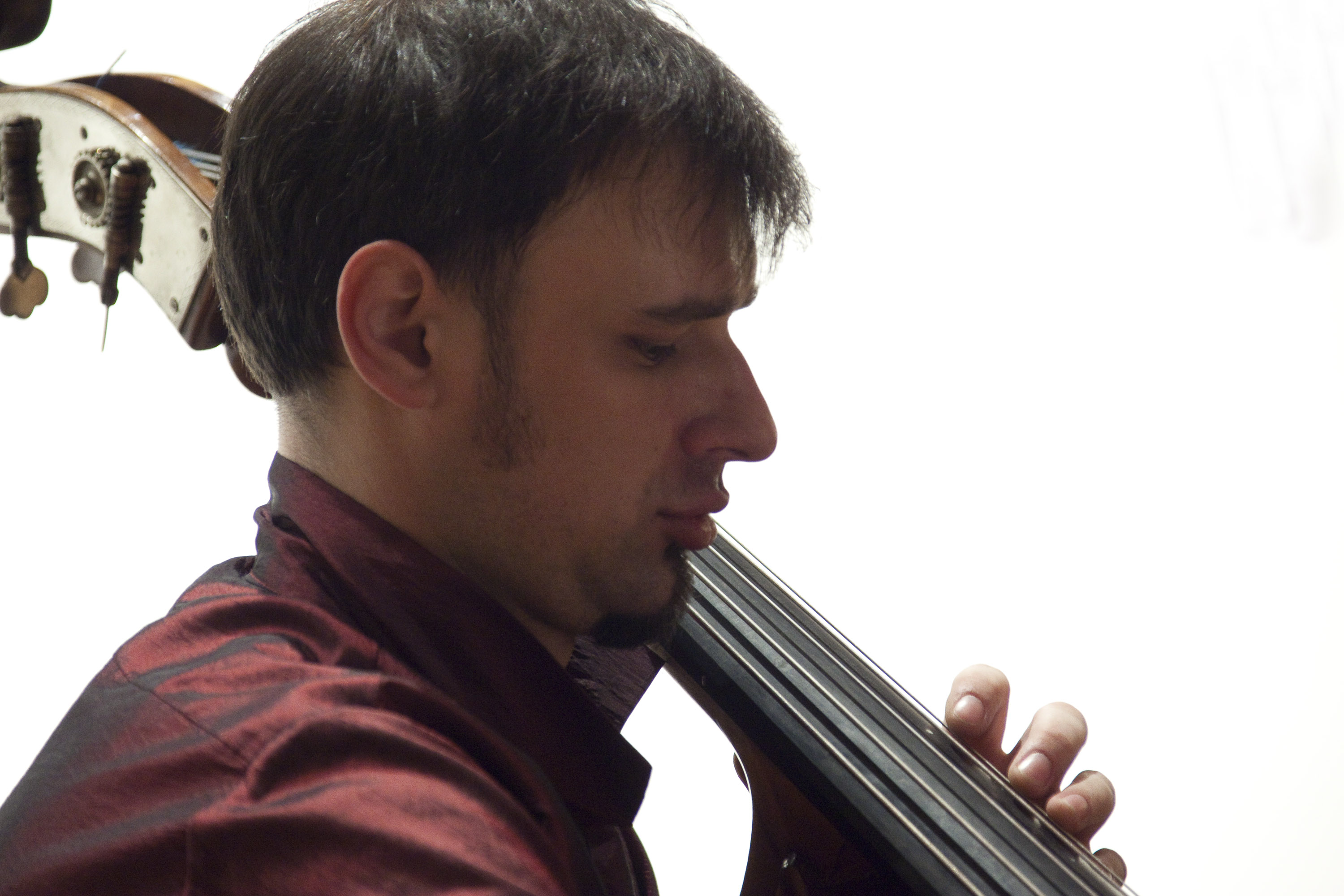
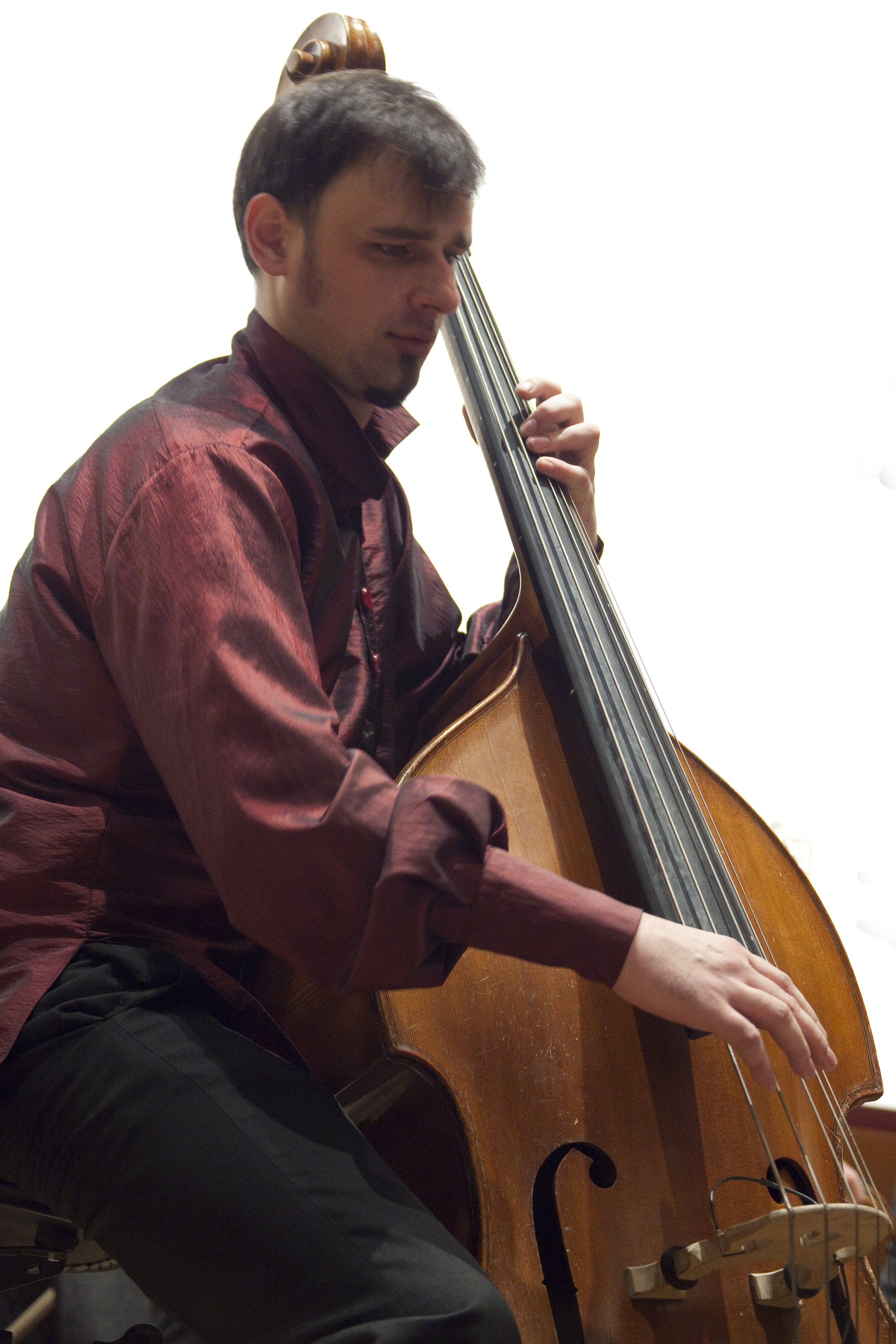
Aleksander Gabryś is an outstanding artist: not only an expert in the secrets of the contemporary double bass, with a repertoire comprising several hundred works, but also a musician whose force of commitment to the pieces he performs is impressive. In this respect he stands apart from the cool elegance that tends to dominate high-level performances of new music. Various kinds of harmonics, extremely high double glissandi beyond the fingerboard (as in Xenakis’s Theraps), and enormous intervallic leaps sound convincing in his performance not only because Gabryś has mastered the technique superbly, but also because his playing reveals an excellent sense of their acoustic nature. As a result, even the most brutal and “ugly” sounds give physical pleasure. His abilities have been recognised both by leading European ensembles (including Ensemble Modern and Klangforum Wien), with which the Polish double bassist performs, and by many composers who have dedicated works to him.
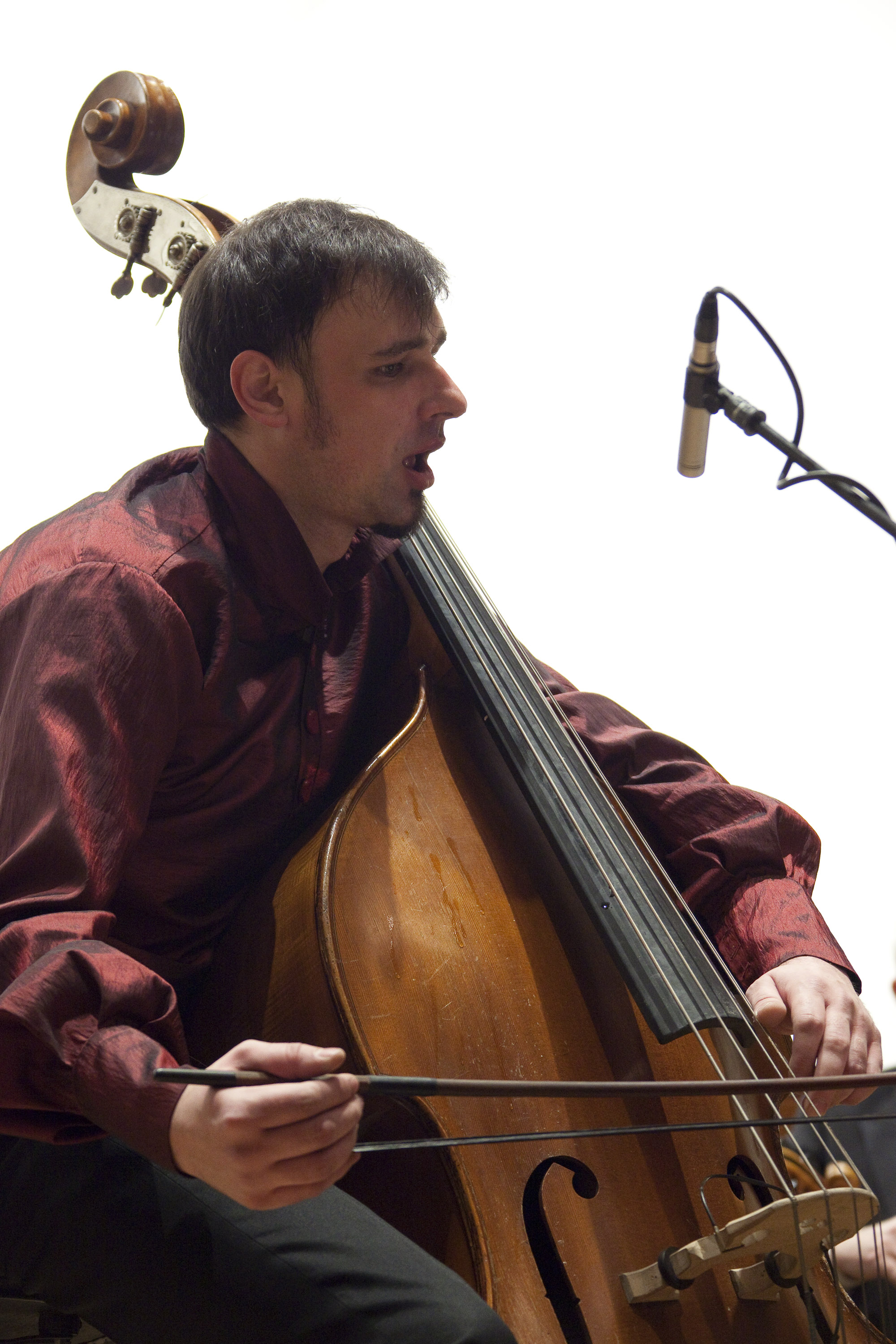
The album released by DUX consists of two discs: the first opens with Ryszard Gabryś’s An die Freude. The composer is the double bassist’s father, and in this piece Gabryś also sings, recites and produces various sounds. As in several other compositions on this album, the musician enters into these vocal “actions” with full conviction, without any distance, in accordance with the composers’ expectations.
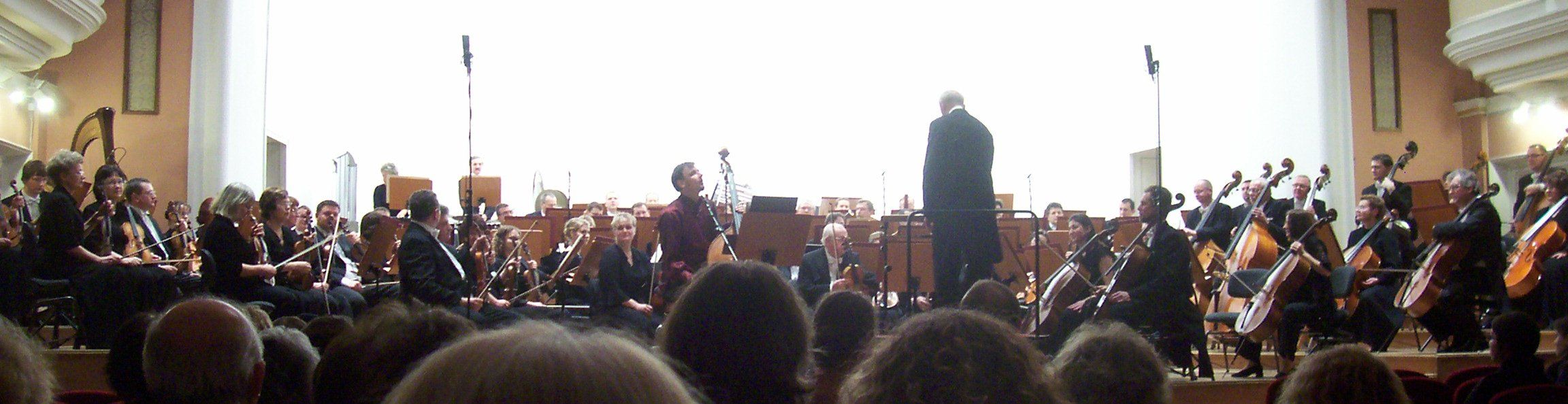
The next three works are for double bass with orchestra. The orchestral parts in Witold Szalonek’s Musica concertante per violbasso e orchestra (1977) also include many unconventional effects produced on various instruments, above all wind instruments: expanded clusters sit alongside harmonically distinct fragments. In Edward Bogusławski’s Concerto-Fantasia (1999), the soloist can be admired in long cadenzas, while Ryszard Gabryś’s Il cicerone is a kind of theatre of sounds depicting a journey through the canals of Venice.
The second disc contains eleven works by foreign composers and one Polish work — Andrzej Dziadek’s Dla Aleksandra (2009). It includes classic items of the contemporary double bass repertoire, such as Giacinto Scelsi’s C’est bien la nuit and the already mentioned Theraps. This is a true feast for the listener, yet several other works also draw attention, including IYON – passage, the only piece on the disc with electronics (transformed double bass sounds), with a “philosophical” atmosphere and great sonic beauty. In two compositions the soloist is joined by other instruments: two pianists at one piano in Grisey’s early (1968) Échanges, and harp in Gwyn Pritchard’s Music for Double Bass and Harp, where the double bass at times sounds delicate and ethereal.
Something interesting can also be found in each of the remaining works on this disc — in any case, Gabryś is one of those performers whom one can listen to for their own sake. It is also worth mentioning, although this is not the most important matter, the attractive cover design.
Krzysztof Kwiatkowski